Agate.jl Workshop: Motivation and Orientation
Welcome
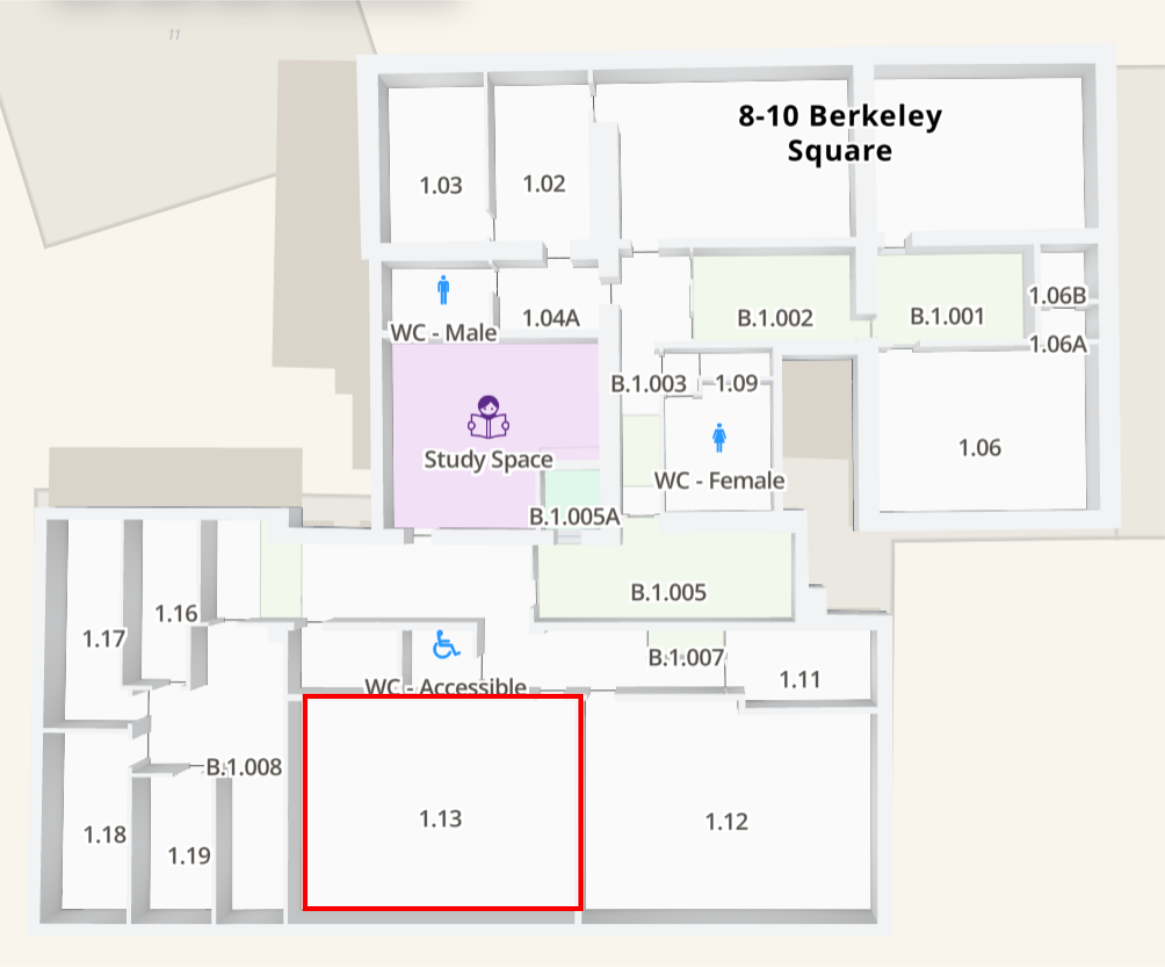
Map of 8-10 Berkley Square (from mazemap).
Current state of the art
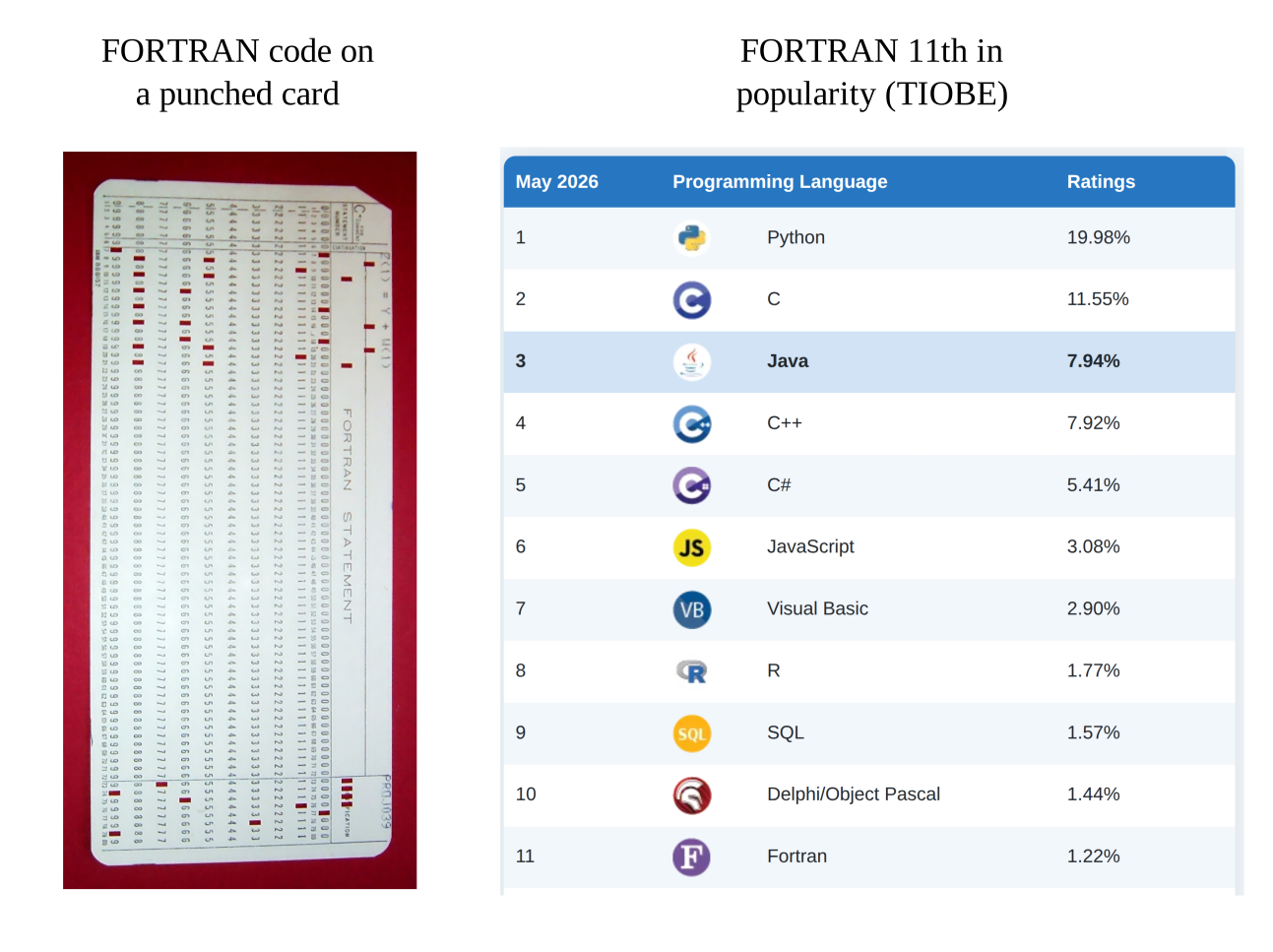
FORTRAN on punched card from Wikimedia Commons, TIOBE May 2026 rankings from tiobe.com.
Julia programming language - a new frontier ?
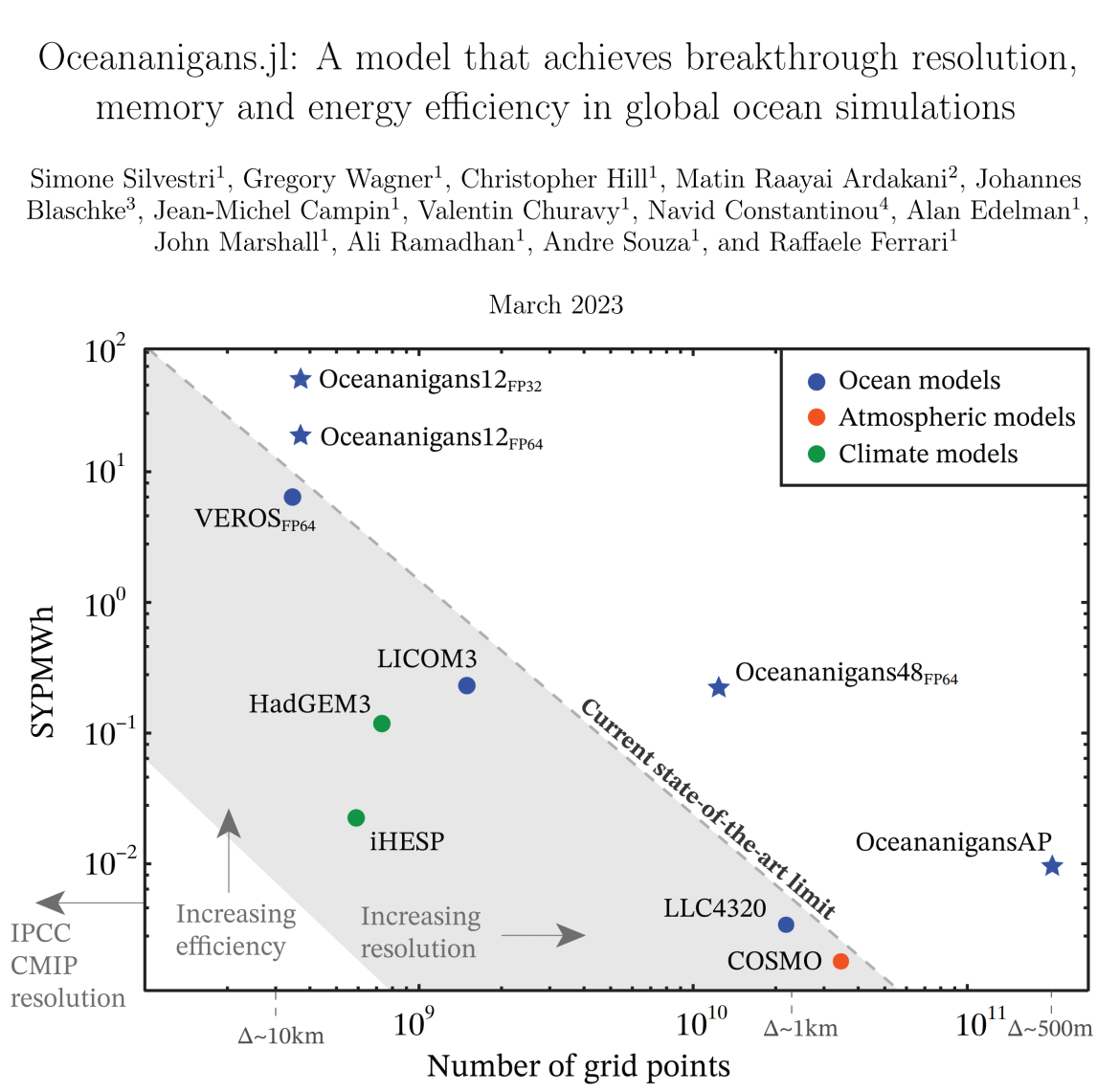
Figure from Silverstri et al., 2023 (ArXiv preprint)
From monolithic models to composable components
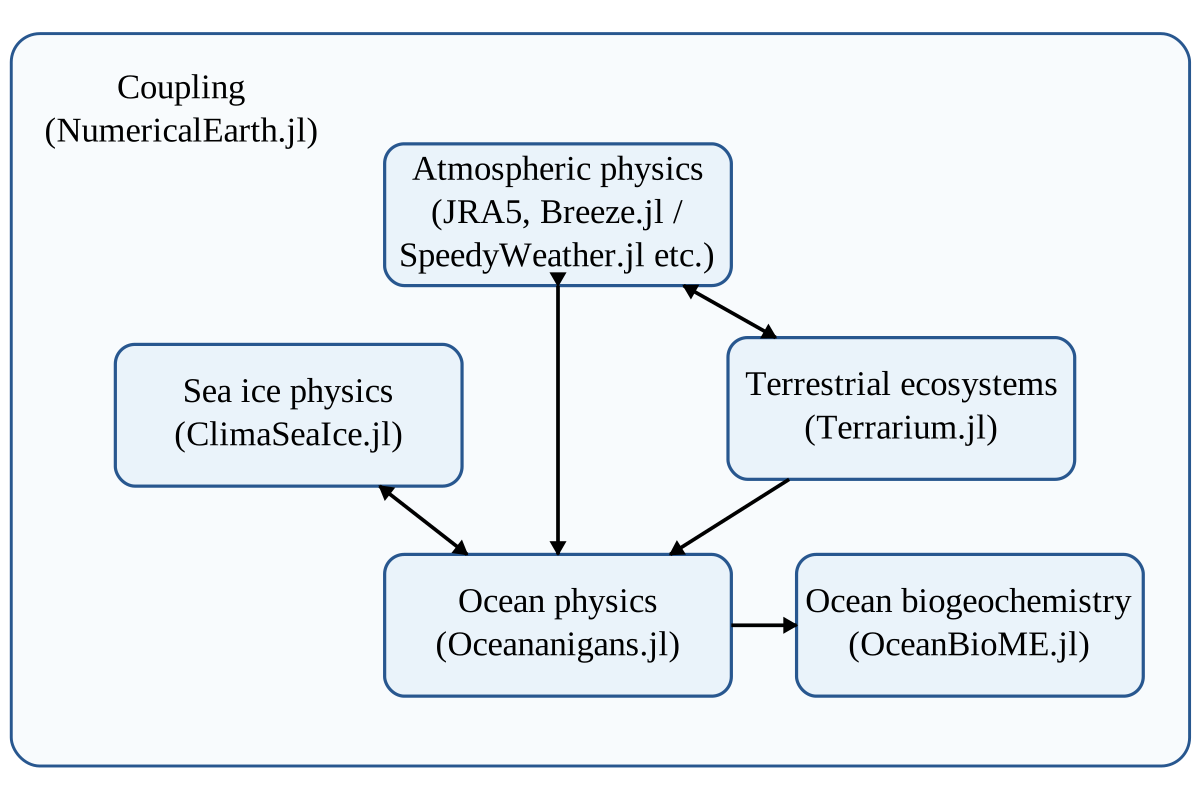
NumericalEarth.jl provides a coupling frameworks to make Julia composable earth system models.
Oceananigans.jl and OceanBioME.jl
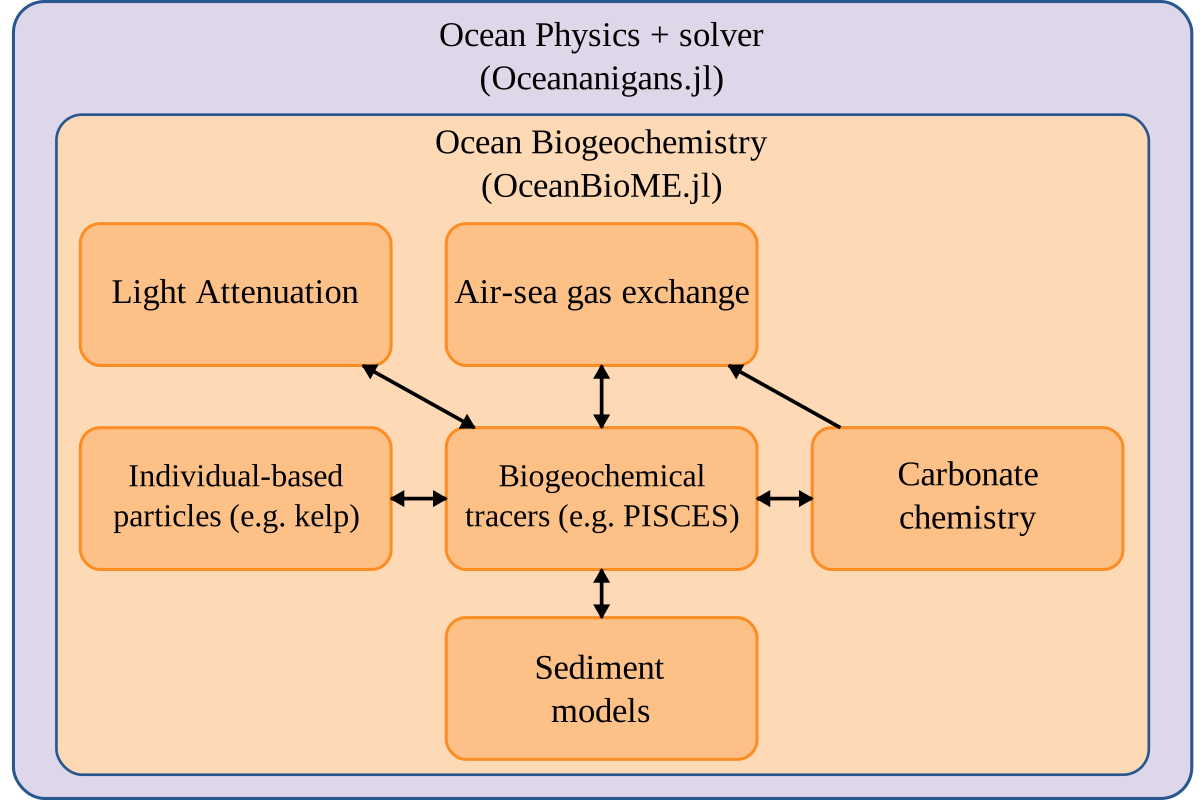
Oceans in Julia: Oceananigans.jl provides physics and infrastructure such as solvers, OceanBioME.jl provides biogeochemistry
Where does Agate.jl fit in?
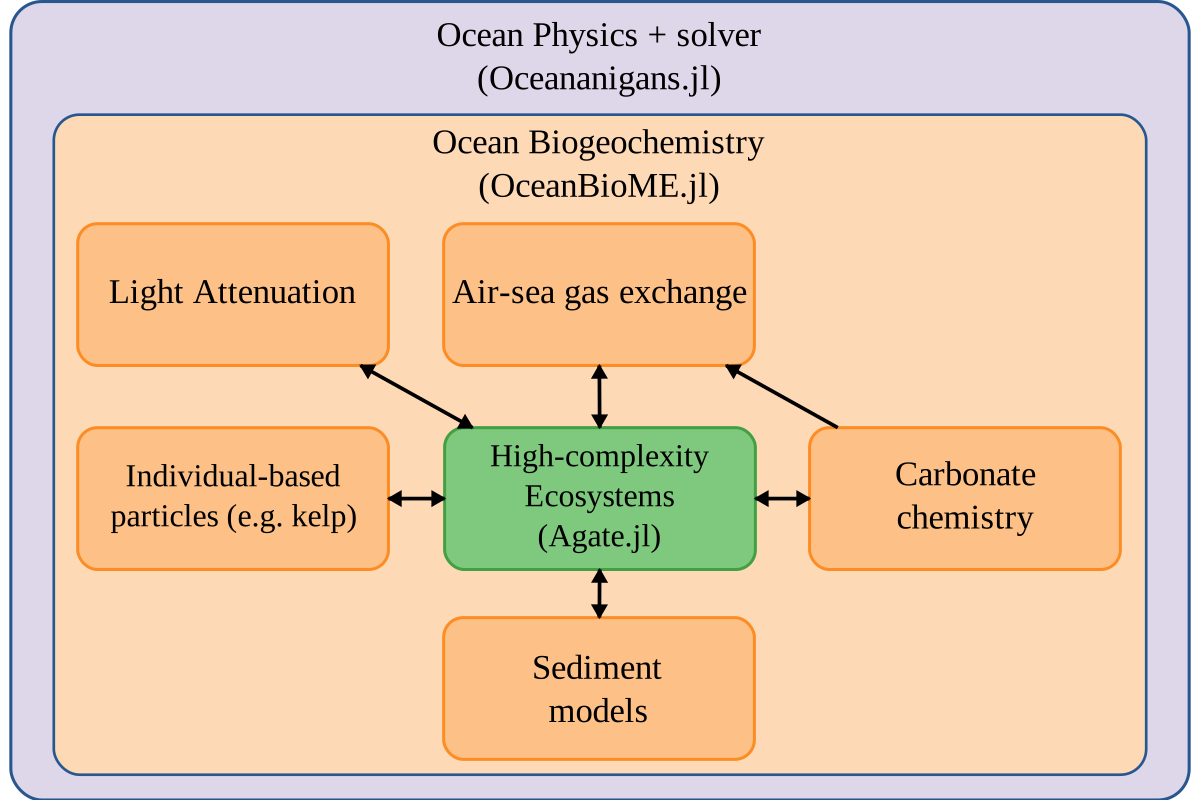
Agate.jl couples with OceanBioME and is solved by Oceananigans.jl.
Intermediate vs High complexity ecosystems
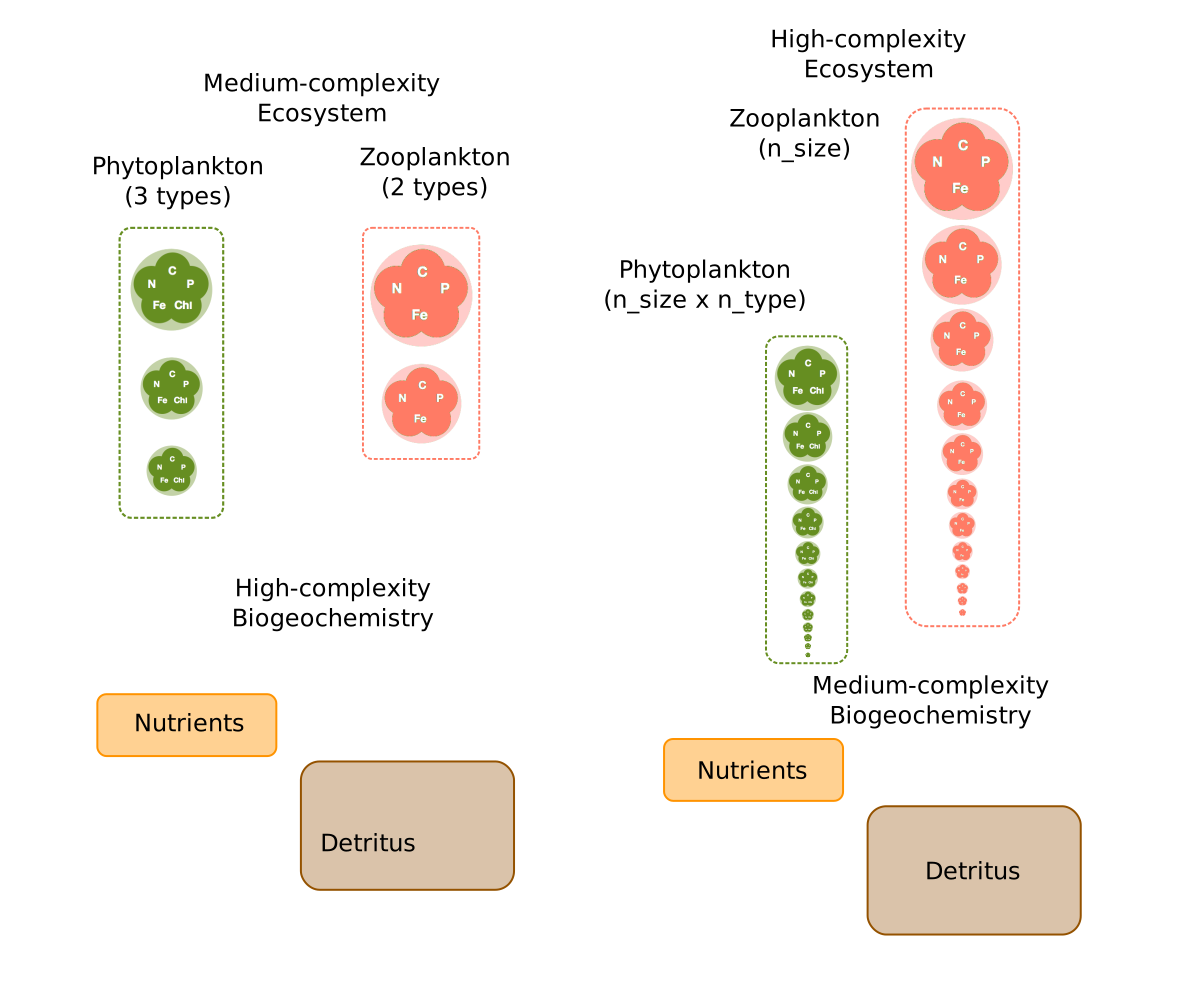
Simplified representation of model complexity. Some models favour biogeochemical complexity (e.g. PISCES) while others favour ecosystems (DARWIN).
Trait-based approaches
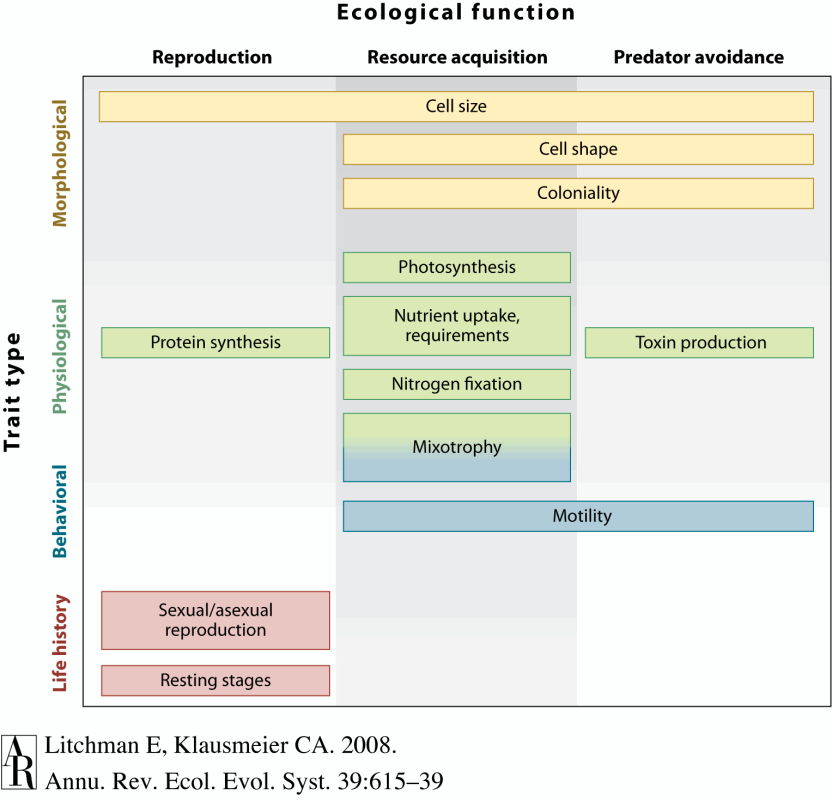
Overview of key traits from Litchman and Klaushmeier, 2008 (Ann. Rev. Ecol. Evol. Syst. ).
Trait trade-offs
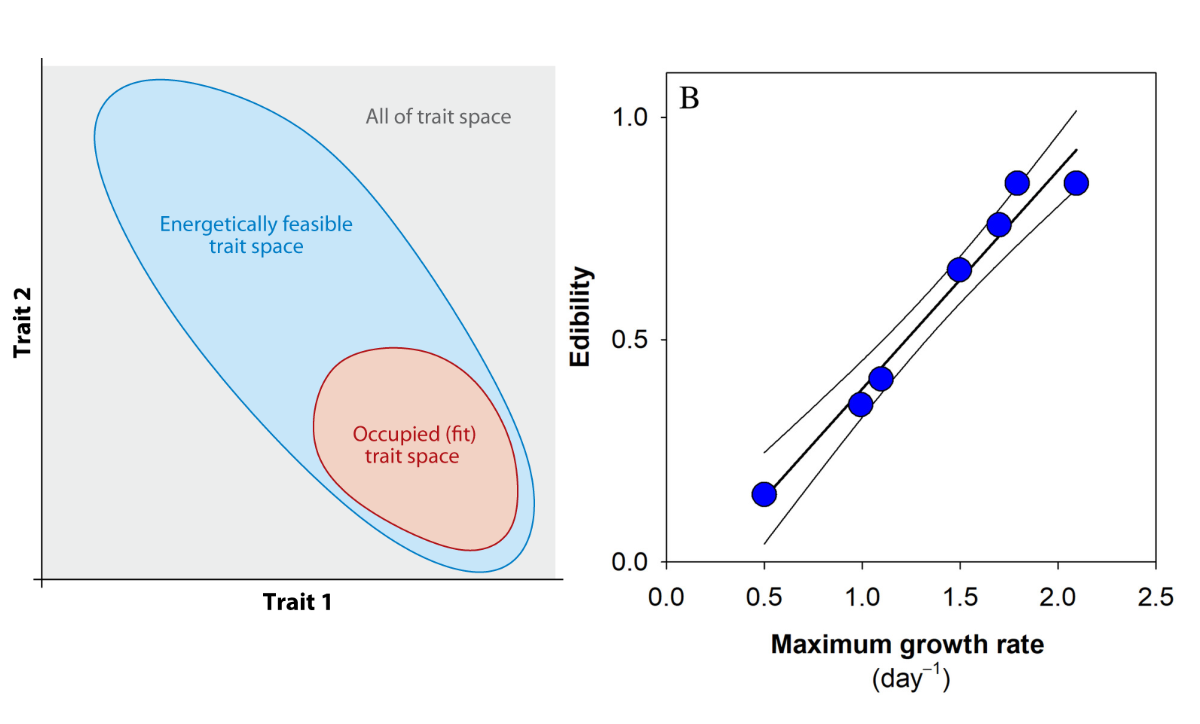
Trait trade-offs. Only some combinations are energetically feasible, and a subset is selected by the environment
Allometry
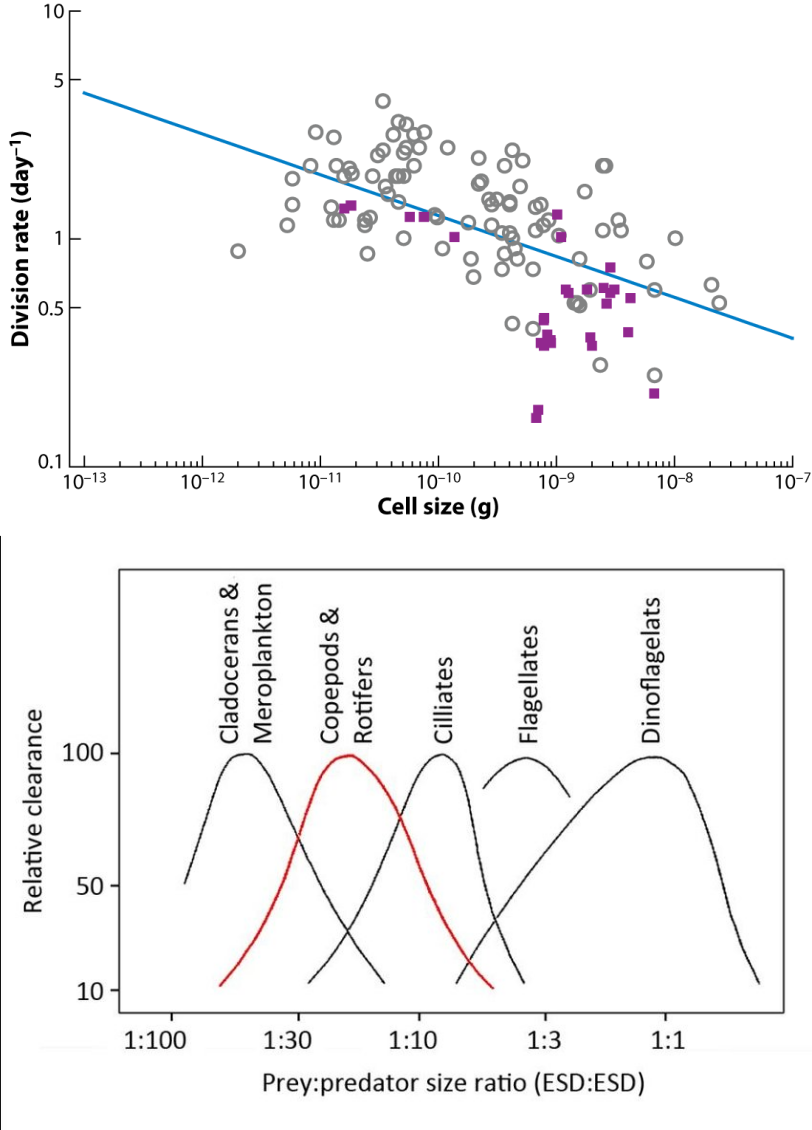
Division rate vs size from Follows and Dutkiewicz, 2011. Prey:predator size ratios from Hansen 1994
Global emergent ecosystems
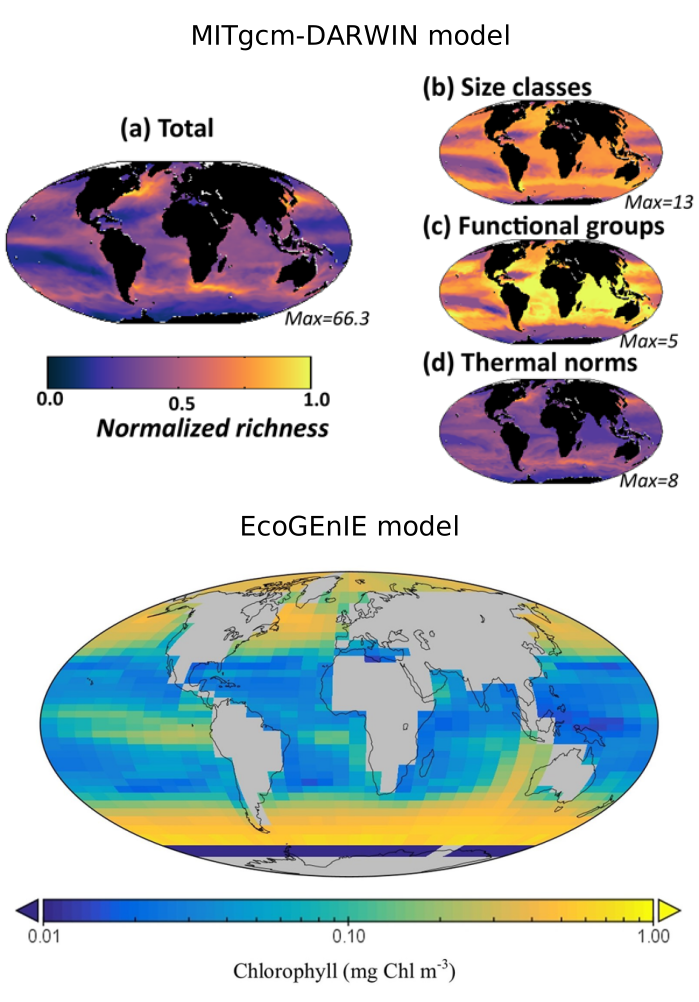
Global applications of trait-based models. MITgcm-DARWIN figure from Dutkiewicz and EcoGENIE from Bagwell
Setup for today: box models
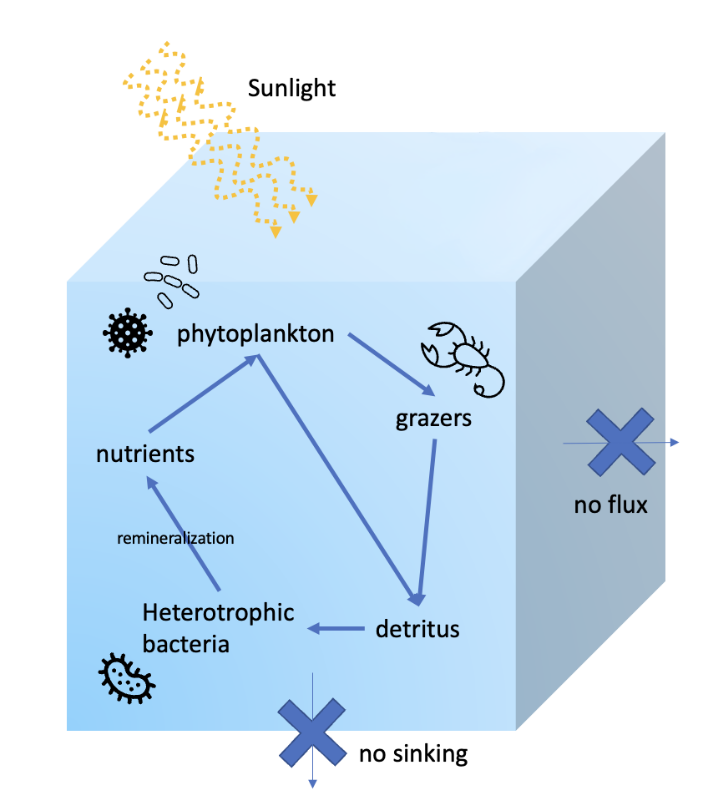
Overview of box-model reproduced from dar_one docs.
Schedule
Map of 8-10 Berkley Square (from mazemap).